Jay Bulger
Executive Director, Bronx Legends Boxing Academy
Jay Bulger is an unconventional community leader and neighborhood champion who has reinvented how boxing can change young people’s lives. He’s also an award-winning filmmaker, journalist, and lifelong boxer.
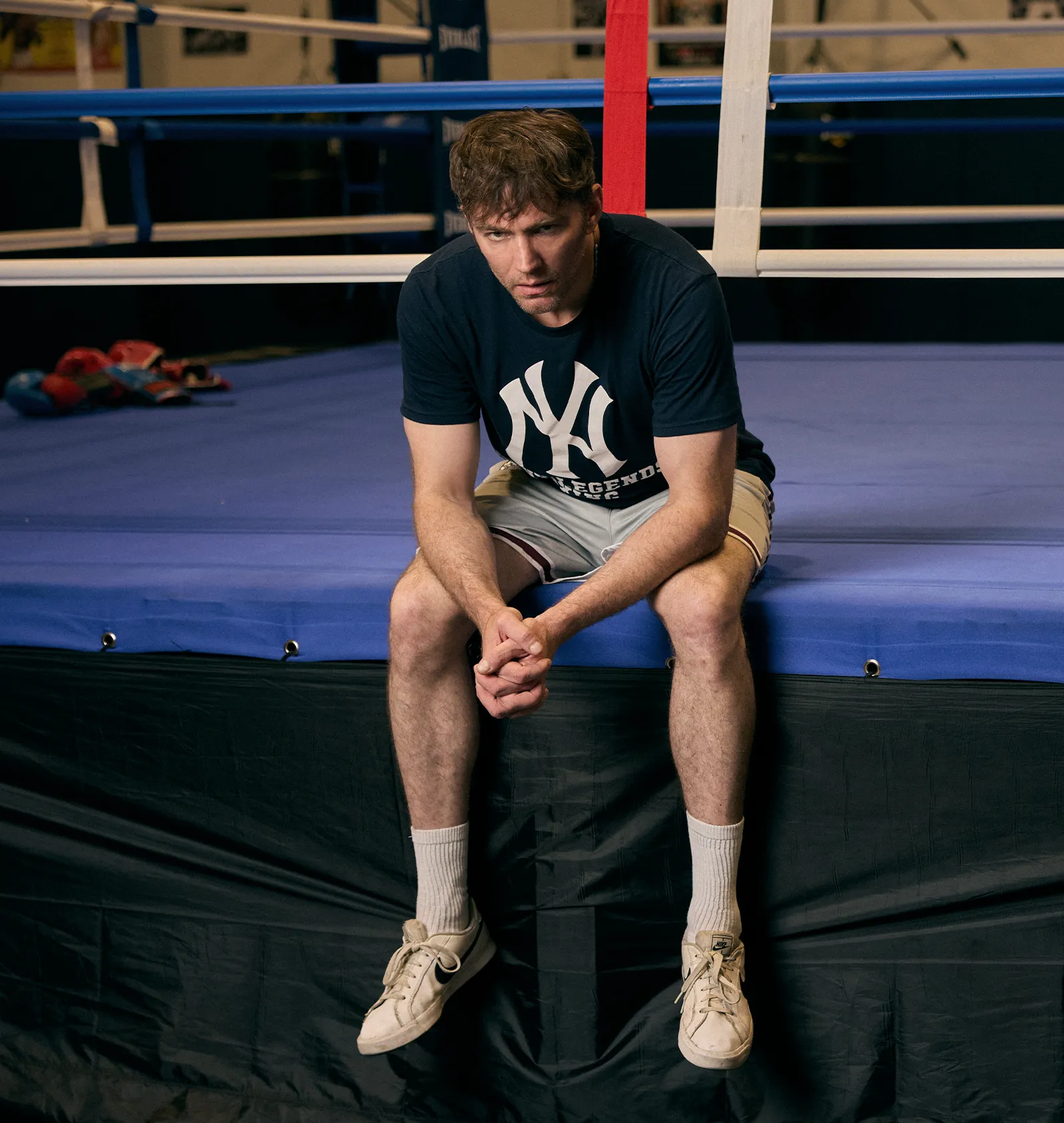
"The same qualities that make someone successful inside the ring, are exactly the same qualities that make someone successful outside of it."
CONVERSATION
Q:
Why did you start the Bronx Legends Boxing Academy?
JAY
I started Bronx Legends because I believed young people deserved access to the same opportunities I had through boxing, regardless of whether they could afford them. Boxing changed my life. It gave me discipline, confidence, mentors, and direction. But over the years I watched those opportunities disappear. PAL gyms closed. Community programs vanished. Boxing became increasingly inaccessible to the kids who needed it most.
I didn’t want to build another boxing gym. I wanted to build an academy. Somewhere that treated boxing as one part of a much bigger educational experience. A place where a kid could improve physically, academically, emotionally, and socially under one roof. Somewhere that believed a young person could become a better student, a better citizen, and a better boxer at the same time.
People often ask whether we’re trying to produce champions. Of course we are. But our definition of champion is much broader than winning fights. If a kid graduates, gets into college, joins the military, becomes a firefighter, starts a business, or simply becomes a responsible adult who contributes to their community, that’s just as much a victory.
I didn’t want to build another boxing gym. I wanted to build an academy. Somewhere that treated boxing as one part of a much bigger educational experience. A place where a kid could improve physically, academically, emotionally, and socially under one roof. Somewhere that believed a young person could become a better student, a better citizen, and a better boxer at the same time.
People often ask whether we’re trying to produce champions. Of course we are. But our definition of champion is much broader than winning fights. If a kid graduates, gets into college, joins the military, becomes a firefighter, starts a business, or simply becomes a responsible adult who contributes to their community, that’s just as much a victory.
Q:
In your own words, what is the Bronx Legends Boxing Academy about?
JAY
We’re not a gym. We’re an academy.
That distinction matters because our mission isn’t simply to teach kids how to throw punches. Our mission is to help them build structure, purpose, and confidence through the discipline of boxing.
Everything we do is intentional. We have a curriculum. We teach ring generalship, nutrition, leadership, emotional regulation, wellness, strength and conditioning, and academics alongside boxing. We track attendance. We track school performance. We work with parents. We partner with teachers. We want to understand whether what we’re doing is actually changing lives.
Our goal is simple: develop thinkers as well as fighters.
That distinction matters because our mission isn’t simply to teach kids how to throw punches. Our mission is to help them build structure, purpose, and confidence through the discipline of boxing.
Everything we do is intentional. We have a curriculum. We teach ring generalship, nutrition, leadership, emotional regulation, wellness, strength and conditioning, and academics alongside boxing. We track attendance. We track school performance. We work with parents. We partner with teachers. We want to understand whether what we’re doing is actually changing lives.
Our goal is simple: develop thinkers as well as fighters.
Q:
This hybrid system of combining boxing and life development, did it just unfold naturally along the way?
JAY
Not at all. It was designed that way from the beginning.
People sometimes think the life lessons are something we added after the boxing. In reality, the life lessons are the reason the boxing exists.
I spent years studying youth development, education, coaching, psychology, nonprofit organizations, and successful sports systems around the world. I worked with USA Boxing, educators, Olympic coaches, teachers, and mental health professionals because I wanted to create something far more intentional than the traditional boxing gym.
The curriculum isn’t random. Every lesson builds on the previous one. Every drill has a purpose. The same qualities that make someone successful inside the ring—discipline, preparation, emotional control, resilience, accountability—are exactly the same qualities that make someone successful outside of it.
The boxing is simply the classroom.
People sometimes think the life lessons are something we added after the boxing. In reality, the life lessons are the reason the boxing exists.
I spent years studying youth development, education, coaching, psychology, nonprofit organizations, and successful sports systems around the world. I worked with USA Boxing, educators, Olympic coaches, teachers, and mental health professionals because I wanted to create something far more intentional than the traditional boxing gym.
The curriculum isn’t random. Every lesson builds on the previous one. Every drill has a purpose. The same qualities that make someone successful inside the ring—discipline, preparation, emotional control, resilience, accountability—are exactly the same qualities that make someone successful outside of it.
The boxing is simply the classroom.
Q:
Tell us about your high expectations model and how it’s worked in helping youngsters see their full potential.
JAY
Young people almost always rise—or fall—to the expectations around them.
Too often society lowers expectations because of where a child lives or the obstacles they’ve faced. I think that’s one of the biggest mistakes we can make.
At Bronx Legends we expect excellence. We expect punctuality. We expect respect. We expect academic effort. We expect responsibility. We expect kids to help clean the gym because they take ownership of it. We expect them to become leaders.
What’s remarkable is how quickly they meet those expectations when they’re surrounded by adults who genuinely believe they’re capable of doing so.
Kids don’t need lower standards. They need more support reaching higher ones.
When you consistently tell a young person, “I know you’re capable of more,” and then give them the structure to get there, they begin believing it themselves.
Too often society lowers expectations because of where a child lives or the obstacles they’ve faced. I think that’s one of the biggest mistakes we can make.
At Bronx Legends we expect excellence. We expect punctuality. We expect respect. We expect academic effort. We expect responsibility. We expect kids to help clean the gym because they take ownership of it. We expect them to become leaders.
What’s remarkable is how quickly they meet those expectations when they’re surrounded by adults who genuinely believe they’re capable of doing so.
Kids don’t need lower standards. They need more support reaching higher ones.
When you consistently tell a young person, “I know you’re capable of more,” and then give them the structure to get there, they begin believing it themselves.
Q:
You mention boxing as being similar to gaming. From what you see, what are positive and negative outcomes from the digital world as far as your youngsters are concerned?
JAY
I actually think boxing and gaming have a lot in common.
Both require pattern recognition, strategy, timing, quick decision-making, and constant adaptation. In many ways, a boxing match feels like a live strategy game.
The difference is that boxing demands those skills in the real world. Your body has to perform. You have to regulate your emotions. You have to deal with fear, fatigue, and failure face to face.Technology itself isn’t the enemy. Some of our kids become incredibly creative through video editing, design, coding, and storytelling. Those are valuable skills.
The danger comes when the digital world completely replaces the physical one.
Human beings still need movement. They need friendships. They need mentors. They need competition. They need community. They need to struggle through difficult things together in real life.
Our job isn’t to pull kids away from technology. It’s to give them something even more engaging.
Both require pattern recognition, strategy, timing, quick decision-making, and constant adaptation. In many ways, a boxing match feels like a live strategy game.
The difference is that boxing demands those skills in the real world. Your body has to perform. You have to regulate your emotions. You have to deal with fear, fatigue, and failure face to face.Technology itself isn’t the enemy. Some of our kids become incredibly creative through video editing, design, coding, and storytelling. Those are valuable skills.
The danger comes when the digital world completely replaces the physical one.
Human beings still need movement. They need friendships. They need mentors. They need competition. They need community. They need to struggle through difficult things together in real life.
Our job isn’t to pull kids away from technology. It’s to give them something even more engaging.
Q:
You’ve said that the gangs aren’t the problem. The problem is they don’t have more things to do like this. They’re bored. They need to express themselves and be free. Tell us more.
JAY
I don’t believe young people wake up wanting to make bad decisions.
Most kids are looking for excitement. They’re looking for identity. They’re looking for friendship. They’re looking for somewhere they belong.
Unfortunately, if positive organizations don’t provide those things, negative organizations will.
A gang isn’t just crime. It’s structure. It’s identity. It’s purpose. It’s belonging.
We have to compete with that.
Kids need places where they can test themselves, make friends, take risks, laugh, compete, create, and feel proud of who they’re becoming.
That’s what Bronx Legends tries to provide.
When a young person has meaningful relationships, challenging goals, caring adults, and something exciting to look forward to every day, the appeal of destructive alternatives becomes much weaker.
Most kids are looking for excitement. They’re looking for identity. They’re looking for friendship. They’re looking for somewhere they belong.
Unfortunately, if positive organizations don’t provide those things, negative organizations will.
A gang isn’t just crime. It’s structure. It’s identity. It’s purpose. It’s belonging.
We have to compete with that.
Kids need places where they can test themselves, make friends, take risks, laugh, compete, create, and feel proud of who they’re becoming.
That’s what Bronx Legends tries to provide.
When a young person has meaningful relationships, challenging goals, caring adults, and something exciting to look forward to every day, the appeal of destructive alternatives becomes much weaker.
Q:
What would you say to people who want to change the world for the better?
JAY
Start small.
People often imagine changing the world through massive ideas or national movements. But almost every meaningful change begins by helping the person standing right in front of you.
Real change isn’t built through slogans. It’s built through institutions that survive long after the founder is gone.
That’s what we’re trying to build at Bronx Legends. Not just a successful boxing program, but a model that can be replicated anywhere young people need structure, opportunity, and hope.
If enough people build something meaningful in their own communities, the world changes one neighborhood at a time.
People often imagine changing the world through massive ideas or national movements. But almost every meaningful change begins by helping the person standing right in front of you.
Real change isn’t built through slogans. It’s built through institutions that survive long after the founder is gone.
That’s what we’re trying to build at Bronx Legends. Not just a successful boxing program, but a model that can be replicated anywhere young people need structure, opportunity, and hope.
If enough people build something meaningful in their own communities, the world changes one neighborhood at a time.